by Dionel Rodriguez | Feb 14, 2024
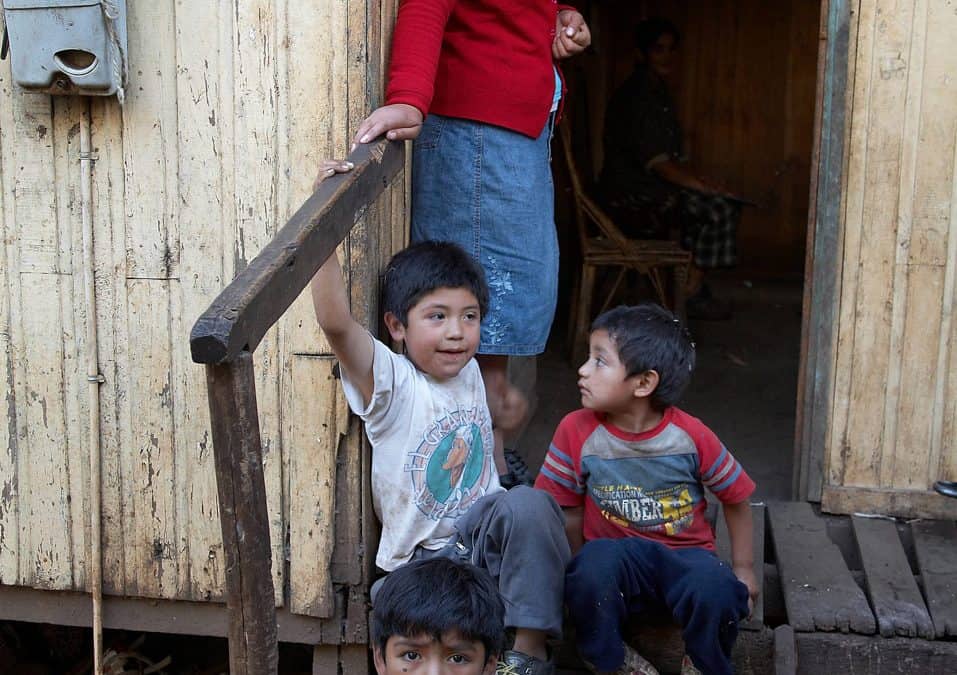
For many immigrants arriving in Chile from across Latin America and the Caribbean, the journey does not end once they cross the border. Newcomers frequently face unfamiliar legal systems, language barriers, employment discrimination, and the general uncertainty that comes with starting over in a new country, often without the support networks that longtime residents can rely on.
Maryknoll helps immigrants and refugees navigate these challenges through the Office for Immigrants in the Diocese of Talca, providing assistance with immigration documentation, legal processes, employment concerns, and access to essential public and social services. The office serves individuals and families from across the region, reflecting the diverse origins of migrants currently arriving in Chile.
This ministry embodies the Catholic Social Teaching principle of Rights and Responsibilities as they apply to migrants, affirming the Church’s long-standing teaching that the right to migrate in search of a better life carries with it a corresponding claim to dignity and just treatment. It also reflects Maryknoll’s founding charism of welcoming the stranger, offering newcomers to Chile not just practical assistance but a genuine sense of belonging within the Church.
Gifts to this project support legal assistance, documentation help, and social service referrals that help immigrants and refugees in the Diocese of Talca build stable lives and become active members of their new communities.
by Dionel Rodriguez | Feb 14, 2024
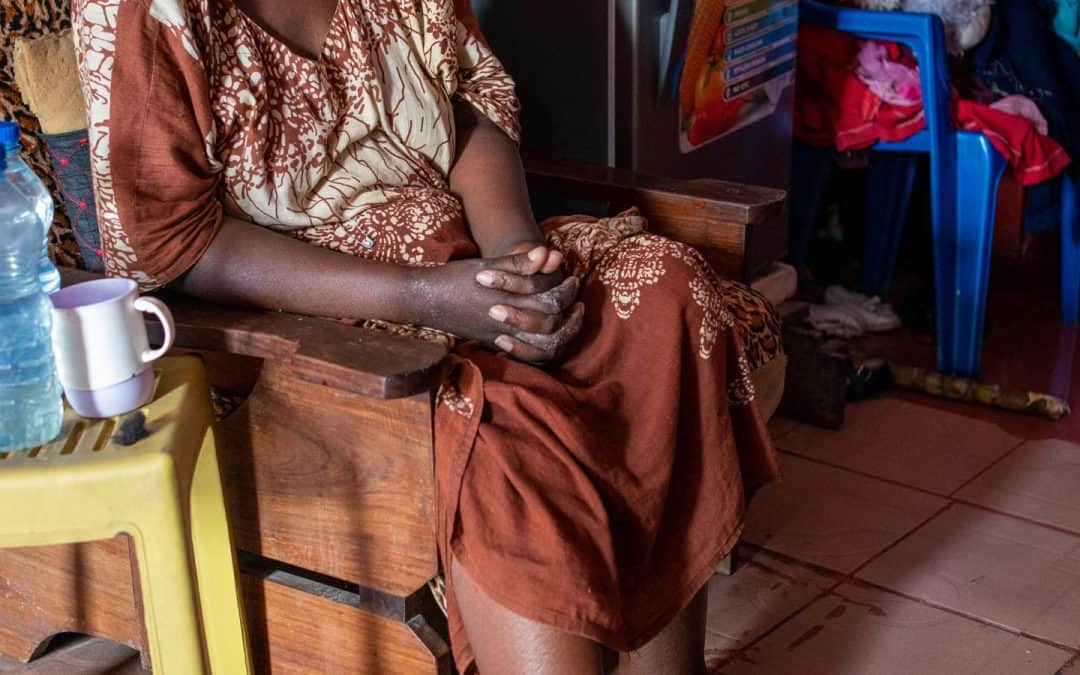
Advances in HIV treatment mean that people living with the virus in Kenya are now living significantly longer lives than in previous decades, a genuine public health success. This longevity, however, has introduced a new set of challenges: many patients now face age-related and treatment-related conditions such as diabetes and hypertension, conditions that require ongoing management well beyond HIV care alone.
Maryknoll supports an outpatient clinic that has adapted to meet this evolving need, offering affordable medical care for patients managing diabetes, hypertension, and other chronic conditions associated with long-term antiretroviral treatment. The clinic does not limit its services to HIV patients alone; it also serves low-income families throughout the surrounding community who otherwise have limited access to affordable healthcare.
This clinic reflects the Catholic Social Teaching understanding that healthcare flows from the Life and Dignity of the Human Person and the broader Rights and Responsibilities owed to every person in community. As the clinic has adapted to serve patients with chronic, age-related conditions alongside its original HIV mission, it also embodies Maryknoll’s charism of responding to real and evolving human need rather than remaining bound to a fixed, unchanging model of service.
Gifts to this project help sustain affordable outpatient care for patients managing complex, long-term health conditions, ensuring that improved life expectancy from HIV treatment translates into genuinely healthier, more stable lives.
by Dionel Rodriguez | Feb 14, 2024
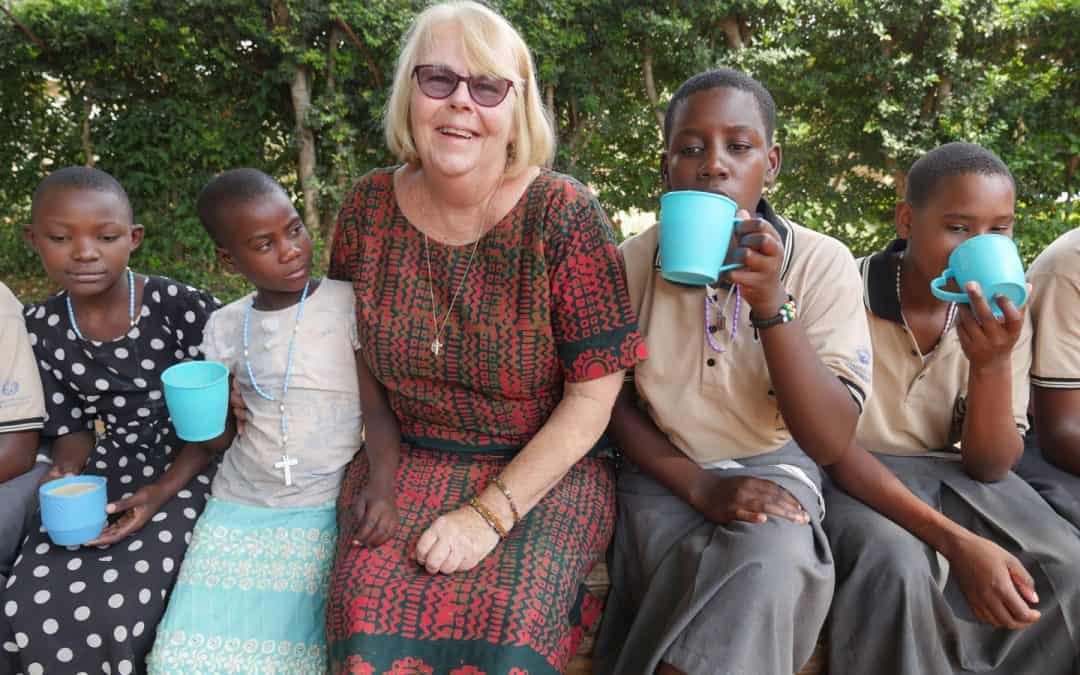
Across much of rural Tanzania, ordained priests are often responsible for multiple parishes spread across considerable distances, making it impossible for them to be present in every community every week. In this context, lay catechists carry much of the day-to-day work of sustaining parish life, teaching the faith, preparing families for the sacraments, and leading prayer in the absence of a priest.
Maryknoll strengthens the Church’s presence in these communities by providing comprehensive training and ongoing formation for lay catechists. Through structured education, mentorship from experienced Church leaders, and spiritual formation, participants develop the theological knowledge, teaching skills, and confidence needed to serve effectively as leaders of prayer and faith formation in their local communities.
Forming lay catechists reflects the Catholic Social Teaching principle of the Call to Family, Community, and Participation, entrusting the ongoing life of faith to committed laypeople rather than clergy alone. This work also carries forward Maryknoll’s founding charism as an evangelizing mission society, recognizing that the Gospel takes deepest root when local believers themselves become its primary teachers and witnesses within their own communities.
Gifts to this project support the training and formation of lay catechists who bring the Gospel and the sacraments to remote Tanzanian communities, sustaining the life of the Church where priests are only occasionally able to visit.
by Maryknoll Society | Mar 30, 2023
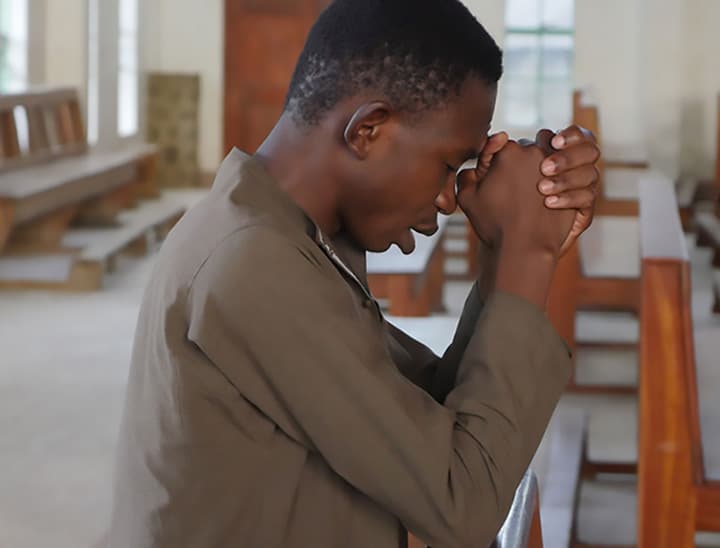
Formation for ministry does not end at ordination or the taking of vows; effective Church leadership requires continuing education throughout a person’s ministry, particularly as pastoral, theological, and administrative challenges evolve over time. Across East Africa, many priests, religious sisters and brothers, seminarians, catechists, and other Church leaders have limited access to structured opportunities for this kind of continuing formation.
Maryknoll supports ongoing education programs designed to strengthen the theological, pastoral, and professional skills of Church leaders throughout the region. These programs help experienced ministers stay current with pastoral best practices, deepen their theological understanding, and develop practical skills, ranging from counseling to administration, that make them more effective in responding to the needs of the communities they serve.
Continuing formation for clergy and religious reflects the Catholic Social Teaching principle of the Call to Family, Community, and Participation, recognizing that effective Church leadership must keep pace with the evolving pastoral needs of the communities it serves. This regional program also carries forward Maryknoll’s charism of strengthening the local Church across borders, investing in the leaders who will shape Catholic life throughout East Africa long after any single mission assignment ends.
Gifts to this project support continuing education for priests, religious, and catechists across East Africa, strengthening Church leadership and its capacity to serve local communities effectively over the long term.
by Dionel Rodriguez | Feb 22, 2023
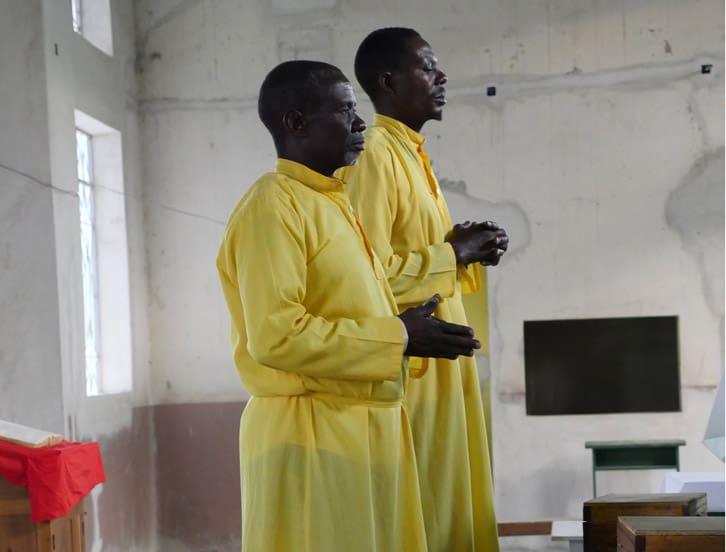
The future vitality of the Catholic Church in Tanzania depends significantly on the formation of a new generation of priests prepared to serve God’s people for decades to come. In the Diocese of Shinyanga, a meaningful number of young men are discerning and pursuing a vocation to the priesthood, a hopeful sign for the local Church, but one that comes with substantial financial demands.
Seminary formation is a lengthy and costly process, encompassing years of academic study, spiritual direction, pastoral training, and daily living expenses, costs that quickly outpace what many families or the diocese alone can sustain. Maryknoll helps bridge this gap, ensuring that seminarians in Shinyanga receive the spiritual, academic, and pastoral training necessary to become effective and faithful priests.
Forming future priests reflects the Catholic Social Teaching principle of the Call to Family, Community, and Participation, since ordained ministers serve as the primary shepherds of the parish communities that anchor Catholic life. This project is also a direct expression of Maryknoll’s founding charism as a missionary society dedicated to building up the local Church, investing in indigenous clergy who will carry the faith forward long after Maryknoll missioners have moved on.
Gifts to this project provide housing, education, and formation support for future priests of the Diocese of Shinyanga, helping ensure the Church in Tanzania continues to be served by well-prepared, faithful clergy.

by Dionel Rodriguez | Feb 22, 2023
Across Asia, many migrant workers face exploitation, unsafe working conditions, and violations of their basic human rights, often within complex global supply chains that make accountability difficult to trace and enforce. These abuses can range from illegally charged recruitment fees to unsafe labor conditions to outright human trafficking, and workers frequently have little power to address them individually.
Maryknoll works alongside laborers, community organizations, corporations, and government agencies to confront labor abuses, human trafficking, and environmental concerns embedded within global supply chains. Through advocacy, worker education, research into supply chain practices, and structured collaboration with multiple stakeholders, this ministry works to promote ethical business practices and greater respect for human dignity within international commerce.
This project embodies two interconnected Catholic Social Teaching principles, the Dignity of Work and Care for God’s Creation, recognizing that exploitative labor practices and environmental harm frequently share the same root causes within global supply chains. It reflects Maryknoll’s prophetic charism of confronting injustice at its structural source, working directly with corporations and governments rather than addressing only its downstream effects on individual workers.
Gifts to this project support advocacy, research, and worker education that advance justice, protect vulnerable migrant laborers, and promote responsible, ethical business practices across global supply chains.
by Dionel Rodriguez | Feb 22, 2023
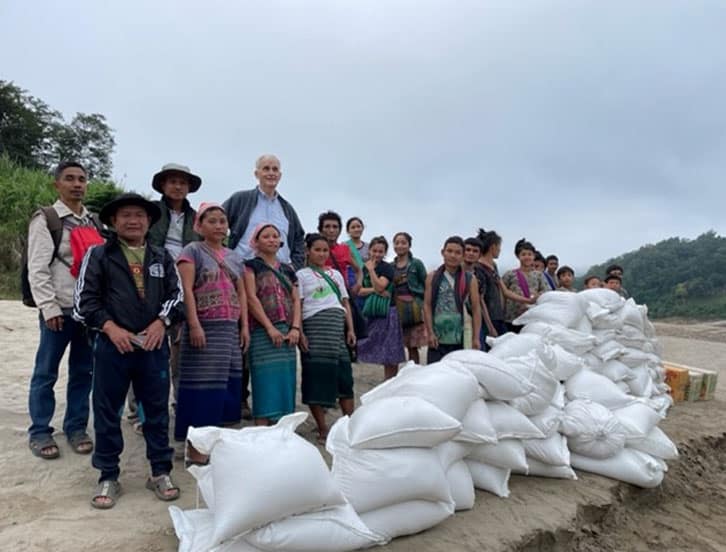
Conflict and violence within Myanmar have forced millions of people from their homes, creating one of the world’s most significant and prolonged humanitarian crises. Many of those displaced have sought refuge near the Thai border, living in precarious conditions with limited access to consistent food, medicine, shelter, or safety.
Maryknoll partners with local organizations to provide emergency food, medicine, shelter, and broader humanitarian assistance to displaced families living in this border region. Because conditions along the border can shift quickly depending on the state of the conflict inside Myanmar, this ministry is structured to respond flexibly to evolving needs rather than following a fixed, predetermined program.
Responding flexibly to a shifting humanitarian crisis reflects the Catholic Social Teaching principle of Solidarity, a readiness to stand with displaced families regardless of how circumstances along the border may change from month to month. This ministry also embodies Maryknoll’s founding charism of presence at the peripheries, remaining engaged in a protracted crisis that has, for many observers, faded from regular public attention.
Gifts to this project support emergency food, medicine, and shelter for families displaced by conflict along the Myanmar-Thailand border, providing comfort and stability amid ongoing crisis and uncertainty, and bearing witness that these families have not been forgotten.
by Dionel Rodriguez | Feb 8, 2022
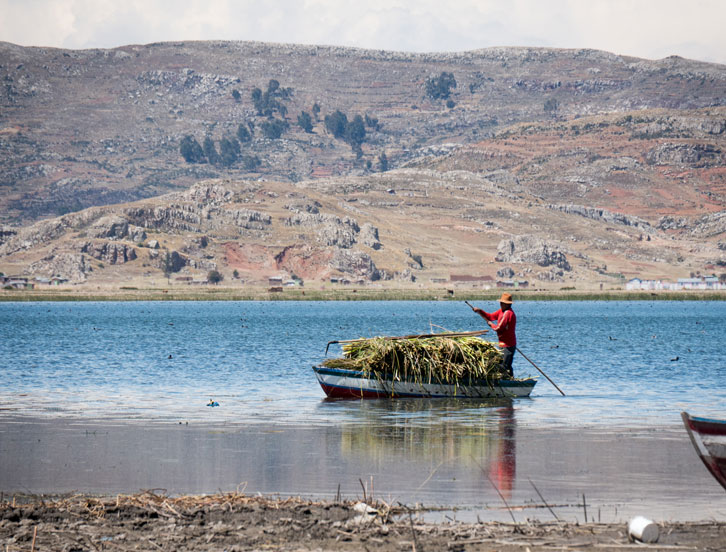
In the highlands of southern Peru, indigenous communities often face significant threats to their ancestral land, water sources, and traditional livelihoods, frequently linked to extractive industries and development projects undertaken with limited consultation or regard for local rights. These pressures place both cultural survival and environmental sustainability at risk simultaneously.
Through partnerships with local organizations, Maryknoll supports leadership training, legal advocacy, environmental stewardship, and community education initiatives designed to help these communities protect their interests. Grounded explicitly in Catholic social teaching regarding human dignity and care for creation, this ministry treats environmental protection and human rights as two dimensions of a single, interconnected concern rather than separate issues.
This ministry directly embodies two closely linked Catholic Social Teaching principles: Care for God’s Creation and the Rights and Responsibilities owed to indigenous communities whose land, water, and culture are too often disregarded by outside interests. It reflects Maryknoll’s prophetic charism of standing publicly with those defending their rightful place on the land, treating environmental protection and human dignity as a single, unified cause.
Gifts to this project support leadership training, legal advocacy, and environmental education that empower indigenous communities in southern Peru to protect their rights, preserve their culture, and safeguard the natural resources they depend on.
by Dionel Rodriguez | Feb 8, 2022
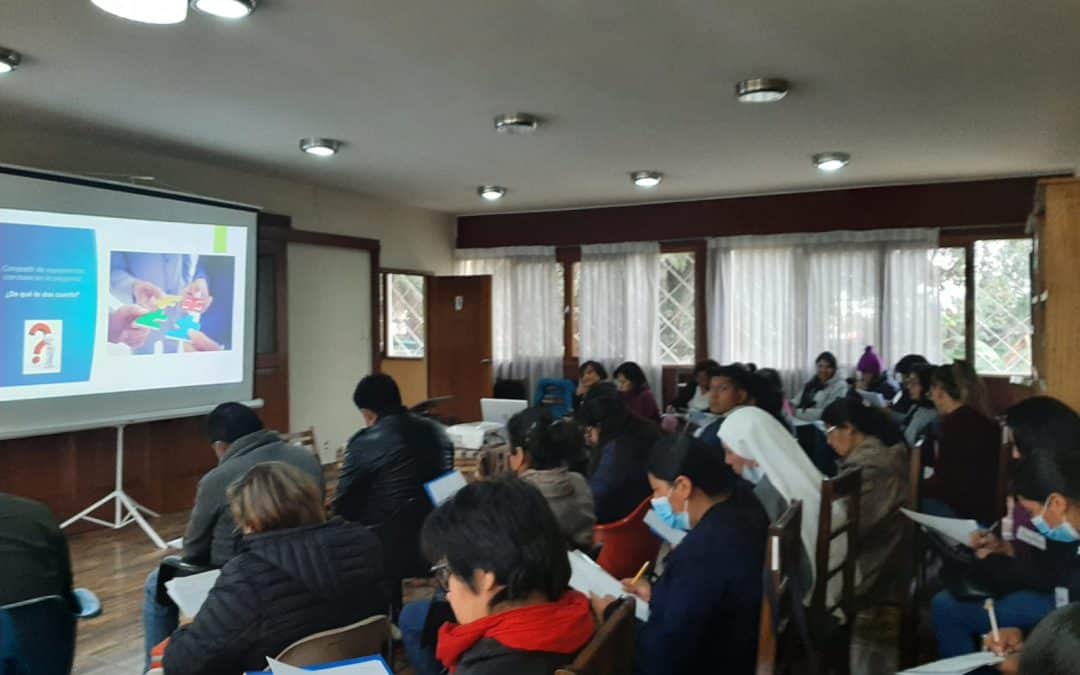
Families across Bolivia face a range of emotional, psychological, and spiritual challenges, from the strains of poverty to the effects of family separation and other significant life stressors. In many communities, professional mental health resources are scarce, and the stigma sometimes associated with seeking psychological help can further discourage individuals and families from pursuing needed support.
Maryknoll provides pastoral counseling and spiritual accompaniment to individuals, couples, children, and families navigating these difficulties. Working alongside professional counselors and psychologists, the ministry offers structured counseling services alongside complementary supports, including literacy programs, after-school assistance for children, home visits for families unable to travel, and broader outreach to vulnerable populations.
This ministry reflects the Catholic Social Teaching principle of the Life and Dignity of the Human Person, affirming that emotional and psychological wellbeing matter as much as physical health to a life lived in dignity, alongside the Call to Family, which holds up the household as the foundational unit of society. It also embodies Maryknoll’s charism of accompaniment, offering steady, compassionate presence to individuals and families navigating difficulties too often carried in silence.
Gifts to this project support pastoral counseling, literacy programs, and family outreach that help individuals and families find healing, strengthen relationships, and navigate difficult circumstances with renewed hope.
by Dionel Rodriguez | Feb 8, 2022
Inspired by Pope Francis’s call in Laudato Si’ to care for our common home, communities throughout Latin America face mounting environmental and social challenges that call for a response rooted in both faith and practical action. From deforestation to climate-related agricultural disruption, environmental degradation increasingly intersects with issues of poverty and social justice across the region.
Maryknoll supports missionary formation, environmental stewardship, and faith-based leadership initiatives designed to help address these interconnected challenges. Through workshops, retreats, and educational programs, participants are encouraged to integrate faith, social justice, and care for creation into their daily lives and ministries, rather than treating environmental concern as separate from spiritual or pastoral work.
Directly named for Pope Francis’s landmark encyclical, this project embodies the Catholic Social Teaching principle of Care for God’s Creation, forming missionaries and lay leaders across Latin America to see environmental protection as inseparable from social justice. It also reflects Maryknoll’s charism of prophetic witness, preparing a new generation to carry Laudato Si’s call for ecological conversion into the concrete life of parishes and communities.
Gifts to this project support missionary formation, reforestation, and leadership development that form disciples across Latin America committed to protecting the environment and building a more just, sustainable future for their communities.